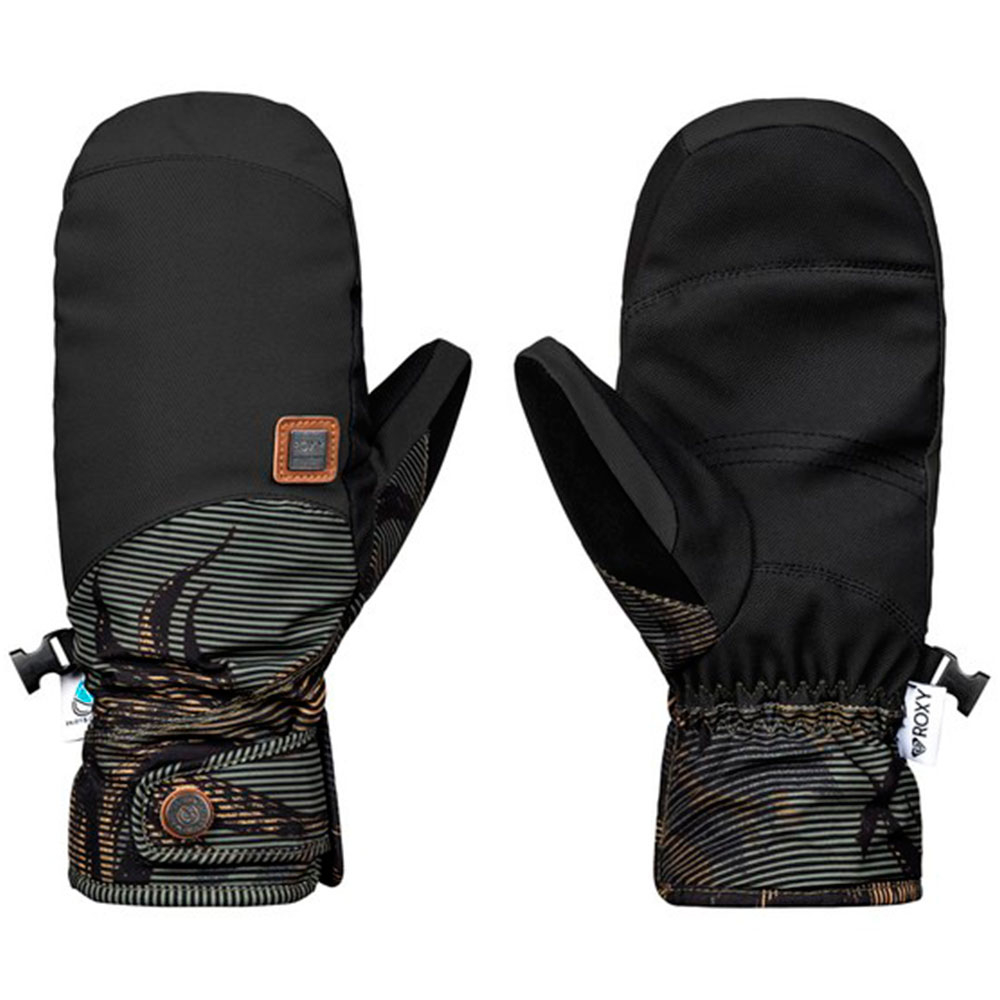
| Usage | Skiing, Snowboarding |
|---|---|
| Gender | Kids |
| Waterproof | 10000 mm |
| SKU | 0102036119834-vconf |
| Thermal insulation | Yes |
| Material | Nylon |
| Year | 2022 |
| Taxcode | 6109.10.00.12 | T-shirts, singlets and other vests, knitted or crocheted, of cotton |
If you buy for more than $150 in our webshop you'll get free shipping. Orders $0 → $150 Shipping fee $9.95. Learn more.
Wish to return your purchase? Request an online return label here - as simple as that. You will find an estimated return fee for your product(s) when you go though the request process (return fee from $17).
We offer 365 days right of return! You can return your products in up to 1 year after you receive your package.
Questions? Visit our customer help center to quickly find an answer.
| Usage | Skiing, Snowboarding |
|---|---|
| Waterproof | 10000 mm |
| Thermal insulation | Yes |
| Year | 2022 |
| Gender | Kids |
| SKU | 0102036119834-vconf |
| Material | Nylon |
| Enable Qty Increments (B2B) | No |
| Taxcode | 6109.10.00.12 | T-shirts, singlets and other vests, knitted or crocheted, of cotton |
| Usage | Skiing, Snowboarding |
|---|---|
| Gender | Kids |
| Waterproof | 10000 mm |
| SKU | 0102036119834-vconf |
| Thermal insulation | Yes |
| Material | Nylon |
| Year | 2022 |
| Taxcode | 6109.10.00.12 | T-shirts, singlets and other vests, knitted or crocheted, of cotton |
Riding style describes the terrain and type of riding a snowboard is designed to suit.
All-mountain. Balances groomed runs, changing snow and a variety of riding situations.
Freestyle and park. Focuses on tricks, jumps, rails and riding switch, with your usual back foot leading.
Freeride and powder. Favours natural terrain or deeper snow, with shapes designed for control and flotation.
Carving. Emphasises grip and sustained turns on groomed slopes.
These categories overlap. Compare shape, profile, flex and size to understand boards with the same riding-style label.
Shape describes the board’s outline and how its nose and tail relate.
Twin and twin-tip. Twin-style designs help riding forwards and switch feel more similar. A true twin has symmetrical shape and flex, with a centred reference stance.
Directional. Designed mainly for one end to lead. Directional twins combine twin-like geometry with directional features.
Taper. A nose wider than the tail can help the tail settle into soft snow.
Equal nose and tail widths alone do not establish a true twin. Check the model’s shape, flex and reference stance.
Profile is the curve seen from the side when the snowboard is unloaded.
Camber. Arches upwards between contact areas and helps provide rebound and edge control under load.
Rocker. Curves in the opposite direction, raising the ends earlier for a looser feel and easier float.
Flat. Uses a level section without a conventional camber arch.
Hybrid and double camber. Combine curved sections in different positions. Names do not specify one universal arrangement.
Check the actual profile diagram: the amount and position of camber, rocker and flat sections matter alongside the label.
Flex describes how readily the snowboard bends and twists under a rider.
Lengthwise flex. Bending from nose to tail. Softer flex generally makes presses easier; stiffer flex offers more support under greater loads.
Torsional flex. Twisting along the board’s length. It influences how the edges respond to steering movements.
Rider weight. The same board can feel softer to a heavier rider and firmer to a lighter rider.
Ratings are brand-specific comparisons. Read the listed value with the manufacturer’s scale, board size, rider-weight guidance and intended use.
Construction describes how the core, reinforcement, sidewalls and outer surfaces are assembled.
Cap. The upper shell wraps down around the core toward the edges.
Sandwich. The core and reinforcement layers are enclosed by separate sidewalls.
Hybrid. Combines cap and sidewall features; the arrangement varies by manufacturer.
Reinforcement. Fibreglass, carbon and other materials help tune strength and flex. Fibre direction and placement also affect the result.
Construction describes the build, not a fixed ability level. The complete design determines how the board feels on snow.
The core is the snowboard’s central structure and helps determine weight, flex and response.
Wood. Many boards use laminated strips, often combining species to balance strength and weight.
Core design. Thickness, shaping and added materials affect how the board bends. Reinforcement around the core also contributes to its feel.
FSC certification. Concerns responsible sourcing and traceability of forest-based materials; it is not a rating of stiffness, durability or riding performance.
Read the wood type, core design and surrounding reinforcement together. Check the specific FSC claim where certification is listed.
Steel edges run beside the base and help the snowboard grip during turns.
Material. Steel is strong and can be sharpened. When the board is tilted, the engaged edge presses into the snow.
Condition. Sharpness, wear and tuning affect grip, particularly on firm or icy surfaces.
Design. Edge thickness, sidecut and shaped edge features work with the board’s profile and flex.
The material alone does not define grip or riding feel. Keep edges clean and maintain a tune suited to the board and how you ride.
Rider level indicates the experience and technique a snowboard is intended to suit.
Beginner. Learning speed control and linked turns; usually benefits from manageable, forgiving handling.
Intermediate. Developing consistent turns and confidence; needs a balance of forgiveness and support.
Advanced and expert. May seek precise response or specialised performance for a particular terrain or riding style.
This is a suitability guide, not a quality rating. Experienced riders also choose playful boards. Consider your weight, terrain and preferred feel alongside the listed level.
Effective edge describes the working length of edge that can engage with snow during a turn.
Support and handling. A longer working edge can add support and stability; a shorter one can make a board feel easier to steer.
Different from overall length. Upturned ends may contribute little to the working edge. Effective edge is also not always the same measurement as running or contact length.
Measurement conventions vary. Compare the selected size and profile: actual snow contact changes with loading, tilt and snow conditions.
Nose width is the widest measurement near the front of the snowboard, usually given in millimetres.
Shape and flotation. Nose width contributes to the board’s outline and support in soft snow.
Taper. A nose wider than the tail creates taper. This is different from moving the binding stance towards the tail.
Boot clearance. Nose width does not describe the width beneath your boots.
Check the selected board size. Read nose width with waist width, tail width, profile and overall shape to understand the design.
Tail width is the widest measurement near the rear of the snowboard, usually given in millimetres.
Taper. Compare tail width with nose width. A narrower tail can settle more readily in soft snow.
Twin-style shapes. Equal nose and tail widths can form part of a twin design, but do not establish symmetry on their own.
Turn feel. The tail’s outline works with its flex and profile to influence support and turn release.
Compare the selected board size. Tail width does not describe tail stiffness or binding stance position.
Waist width is the snowboard’s narrowest width, usually between the bindings and measured in millimetres.
Boot clearance. A board that is too narrow for your boots can allow toe or heel drag when tilted.
Handling. Extra width can require more effort to change edges. Width should suit your boots and riding style.
Fit checks. Boot outsole length, binding angles and width beneath the feet all affect clearance.
Use the model’s boot-size guidance and check the selected board size. Waist width alone does not confirm boot clearance.
Nose height is the reported vertical rise of the snowboard’s front end.
What it describes. The height of the raised nose, not its width or the length of the rocker section.
How it works. Nose rise combines with rocker length, shape and flex to influence how the front meets uneven or soft snow. Height alone does not predict flotation.
Compare figures measured in the same way. Reference surfaces and loading methods can vary, and the nose’s position changes as the board bends.
Tail height is the reported vertical rise of the snowboard’s rear end.
What it describes. The height of the raised tail, rather than its width, length or bending stiffness.
Riding switch. An upturned tail helps it lead when riding with your usual back foot forwards.
Handling. Tail rise works with rocker, outline and flex to influence turn release and soft-snow handling.
Tail height is different from rocker length and does not establish a twin design. Compare measurements taken using the same reference position and method.