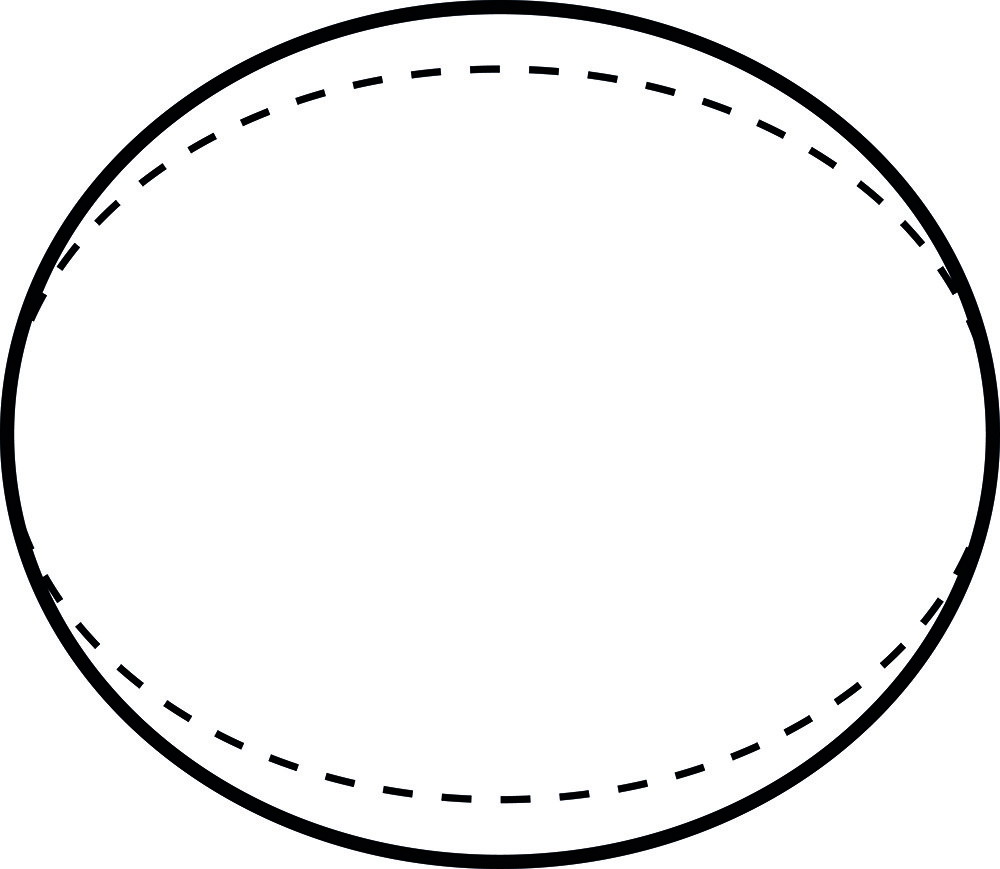
Surf feel / Carving:
Carving is a unique longboarding style that feels a lot like surfing on water. When you carve, you shift your weight between heel and toe so you ride in an S-shaped pattern or smooth wave line. Once you learn to carve properly, you get extremely good control over your board.
Cruising:
Cruising is probably the most relaxed form of longboarding. It is about getting out, enjoying the ride and having fun. A good cruise usually mixes carving at different speeds with some freeride and speed checks. It can also mean using your board to get to school or work. There are really no limits to cruising.
Freestyle:
Freestyle longboarding is largely about technical tricks. Many moves are inspired by classic skateboarding — popping the board off the ground with flips and spins.
Long distance push:
Long distance push (LDP), as the name suggests, is about riding longer distances in one go. You need a comfortable, efficient setup for those long sessions. LDP boards usually sit very close to the ground so you can push without bending your knees too much.
Downhill:
Downhill is a highly technical, high-speed style that requires real longboard skill — otherwise it can be extremely dangerous. It means riding down mountains, race courses or similar terrain while sliding from side to side and managing your speed.
Length:
Deck length strongly affects how a longboard rides and how stable you feel standing on it. Longer boards are usually easier to stand on because you get a wider stance. Generally, boards from 0–32” are called mini cruisers; 33&ndquo;–37” boards are small longboards — both suit cruising and transport. Boards from 38”–42” are the most common longboards and work best for carving, freeride and freestyle. The longest boards, 43”–48”, are large longboards or dance boards — usable for carving, cruising, freestyle and downhill.
Width:
Board width depends on your foot size — you need room for your feet on the deck. Bigger feet generally need a wider longboard. If you want to do tricks and technical maneuvers, wider boards are usually the better choice.
Wheelbase:
Wheelbase is the distance between the two trucks. It has a big impact on how sharply your longboard turns. A shorter wheelbase turns tighter; a longer wheelbase turns more gradually but adds stability. For cruising, carving or downhill, a wider wheelbase is often ideal. For freestyle and city riding with lots of quick, aggressive direction changes, a shorter wheelbase works better.
Deck material:
Deck material affects flex, durability and overall quality. Bamboo decks are very flexible but not especially durable. Canadian maple is a stronger, more durable choice. Manufacturers can add fiberglass or carbon layers to increase durability or stiffness — layer thickness changes how the deck feels. The best setups usually combine Canadian maple with carbon or fiberglass. Poorer options include particle board (recycled wood), which has almost no flex, and Chinese maple, which offers little flex and lower quality. With wood decks, quality also comes down to knots and impurities — fewer knots mean better flex and performance.
Concave:
Concave is an inward curve from edge to edge across the deck surface. It raises the rails under your feet for better board response. Overall, concave helps you stand more securely and improves grip while you ride.
Flex:
Flex describes deck stiffness. Stiffer decks improve steering, control and stability. More flexible decks reduce stability but feel smoother and more comfortable. Very flexy boards suit carving, freeride and cruising; stiffer decks are better for downhill and freestyle.
Deck shape:
Longboard decks come in many shapes. A twintip board is symmetrical — both ends match, so it rides equally well both ways. Twintips suit freeride, city riding and freestyle. A directional board has a clear front and back. Directional decks suit downhill, surfskate-style riding and mini cruiser longboards. They offer strong performance in one direction but are not meant for riding switch both ways.
Weight:
This is the total weight of the assembled longboard. For slides, aggressive riding and quick direction changes, the board should not be too heavy. It should not be too light either — very light boards often sacrifice durability and break more easily.
Wheel lip:
Wheel lip shape affects how the wheel performs. Rounded lips suit street riding and ramps. Square lips suit longboards used mainly for transport. For freestyle, small hard wheels with rounded lips are usually best. For freeride or cruising, large soft wheels with square lips are the better choice.
Wheel diameter:
Wheel size depends on your riding style and how you use the board. Larger wheels improve comfort, speed and grip. Smaller wheels improve maneuverability and tricks. Wider wheels add contact patch, comfort, stability and grip; narrower wheels favor speed, maneuverability and easier slides.
Wheel hardness:
Wheel hardness is measured on the durometer scale from 0 to 100A — 0 is softest, 100A is hardest. Soft wheels absorb bumps and rough pavement better. Hard wheels hold speed better and break into slides more easily.
Common longboard durometers:
78A–80A — smooth rides with good grip; great all-round wheels.
81A–83A — fast with moderate ground resistance; last longer than soft wheels and suit riders learning advanced riding.
84A–86A — quite hard with less grip; very fast and easy to slide, but less comfortable than soft wheels.
87A+ — very hard with almost no grip; closer to traditional skateboard wheels.
Bearings:
Bearings are rated on the ABEC scale — higher numbers mean tighter manufacturing tolerances. ABEC-7 bearings are more precise than ABEC-5. Higher-quality bearings generally roll faster and suit higher speeds better. Bushings also vary in quality, and different bushing setups suit different riding styles.
Truck size:
Trucks come in different sizes and shapes. Larger trucks suit cruising much better. Smaller trucks suit maneuvers, tricks and freestyle riding.
Truck mounting:
There are two main mounting styles. Top mount means the truck is bolted to the underside of the deck — your feet stay clear of the hardware, but stability is slightly reduced. Top mounts are common on freestyle and cruising setups. Drop-through trucks pass through the deck, lowering the center of gravity and increasing stability — though some riders feel the truck cutouts get in the way of their feet. Drop-through works for all riding styles.
Both setups have pros and cons. Your choice depends on how you ride and how technical your skating is. Snowboarders and surfers who want a similar feel on pavement often prefer drop-through. If you want maximum speed and sharp board response, top mount is usually the better pick.
Griptape:
Griptape comes in different grit levels. Rougher tape grips your shoes better but wears through shoe soles faster. One type is clear sand griptape — transparent epoxy with sand grains mixed in, as grippy as sandpaper while letting the wood show through. The most common type is coarse sandpaper-style sheet with adhesive backing. Griptape is essential on a longboard — without it, you cannot stand securely on the deck.


 Always climate compensated shipping